What Should I Do With My Placenta After Birth? (My 5 Options)
Pregnancy Placenta‘What should I do with my placenta?’ you wondered, soliloquized, murmured. And then occasionally, you would just look over your shoulder to spot where the midwife had kept if for you because when she asked you if you wanna leave it to the hospital or you wanna take it home, you chose to take it home.
However, now you are weighing on that decision again. You are torn between taking it home and leaving it to the hospital and now, just intermittently, you look at the placenta again and again.
Let me tell you. In one of my obstetrics rotation, I watched a mother sob as her placenta was whisked away in a biohazard bag. ‘I wanted to see it,’ she whispered while sobbing. The family of another pregnant just beside the one who had her placenta taken away, brought a special container, treating it like a sacred amulet. I watched on as this placenta; this temporary organ that sustains life, became one of the most emotionally charged decisions of childbirth. Here’s what I’ve learned from both sides of the delivery room.
5 Things To Do With Your Placenta After Birth
Leave It To The Hospital
This is the most common one and the one most known to people. During the third stage of labor, when the placenta is about to be born, the midwife is very likely to ask you, if you would love for the hospital to handle your placenta or inf you would like to take it home.
There’s no harm in allowing the hospital to deal with your placenta, most times, they just send it to the pathology department or incinerate it (burn). In some advanced hospitals, which do their things with protocols, you might be warranted to sign a consent form.
Pathology and incineration are not their only ways. Some have long dug a deep pit for purposes like this one as I have seen with primary health centres who throw it into a pit.
Send It For Encapsulation
Not so many might have heard of this one but sure that our comrades in tier 1 countries like Canada, Australia, US, UK etc. must have heard of this one. Pick the word ‘capsule’ in encapsulation. Your placenta is made into capsules like the drug capsules you throw into your mouth when sick and you either chew it or swallow it with the aid of water.
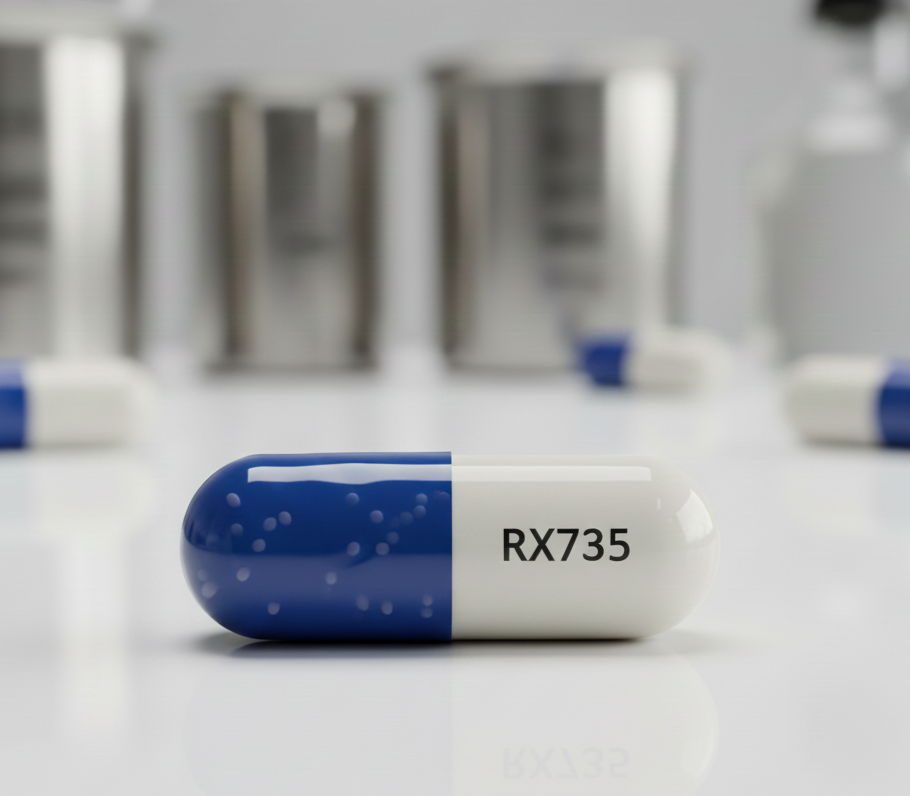
You may be wondering how it’s done. It is first steamed in high pressure, dehydrated and then grounded into powder before it is scooped into capsules. The first time I saw a placenta eaten was in a movie. A woman, trying to avoid a totalitarian regime fled her country to live in a shipping container for a month as the container sailed to an unknown destination.
There in the container, she became due and gave birth. Wondering how she could feed her baby and feed herself, she found herself eat her own placenta to keep alive so as not to die if starvation. If you wanna see the film, look up the Spanish movie, Nowhere.
You can opt to encapsulate on your own if you trust your level of sterility but it’s best advised to seek for encapsulation services near you.
READ ALSO: Peeing After Sex Can Prevent Pregnancy? Myth Or Fact (My 3 Truths)
Does Walking Help Labor Start? (The 1 Reason Nurses Ask You To Walk During Early Labor)
Bury It
On a personal level, this is particularly the one I would go with. I could remember this was the opinion I gave to a postpartum mother in a hospital. She called me by the side and calmly asked me (not to the hearing of others), oh boy, what should I do with my placenta?
I was 8 years old when mum gave birth to my youngest sibling. At that age, I could say I know fair enough and read meanings into things. Guess what my mom did with her placenta? Of course, she buried it and at the same time planted a grape tree by the side of the compound. To her, in years time, when she looks at the grape tree, she sees her placenta; the placenta that nourished her last child.
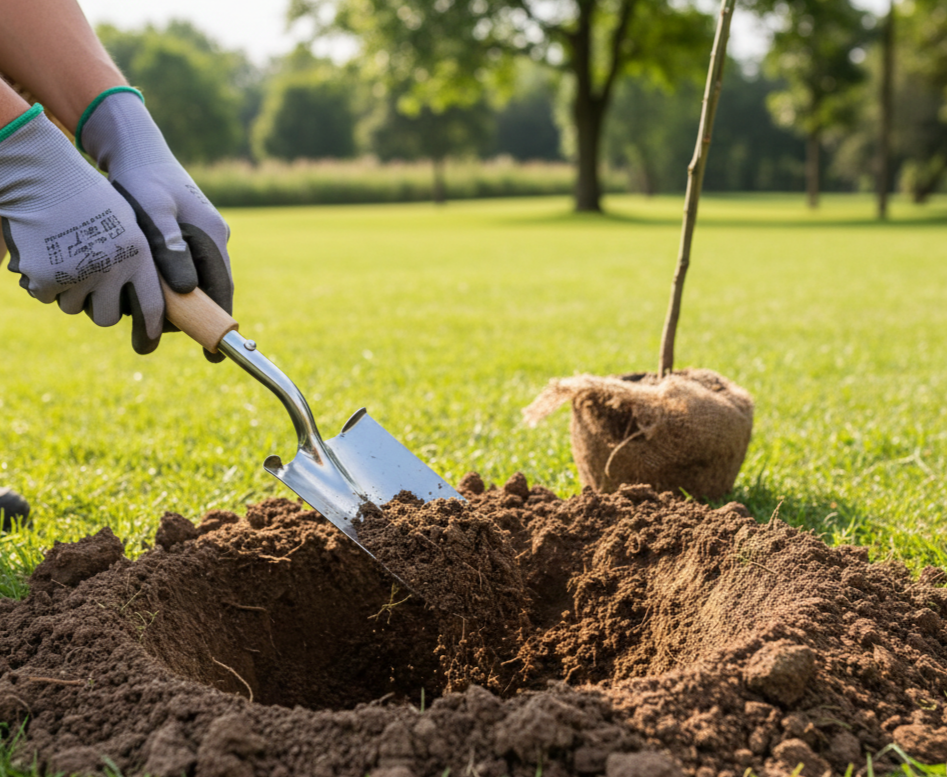
As thus, this was the answer I gave to this post partum woman who sought for an opinion. ‘Bury it’, I said. ‘But the dogs can dig it up’, she argued. She complained she had chickens and dogs at home and they could dig her thing up and devour. I told her that if she could bury it deep enough that the dogs won’t be able to sniff it up at that depth.
She looked like she would heed to my opinion afterwards but I couldn’t say for sure.
Donate It:
The option few people know. Donate it. The placenta can be used in treatment of burns. You may have seen such in movies or series like The Good Doctor where fish skin was used to treat burns in patients. Even though it’s a fiction, it’s medically correct and reflect what happens in real life. How fulfilling would you feel finding out your placenta was put to good use and became a living part of another person?.
Preserve It In A Transparent Jar As In A Biology Lab
Many people mix up encapsulation for preservation, hence why I chose to add the biology lab extension H3 subheading for proper distinction. No, they are not the same. They are different. If you are a science student, you may relate more with this; I assume you have been in biology labs where specimen were put in transparent fluid filled jars. specimen like rats, snakes, rabbits etc.
Specimens fixed in formalin/formaldehyde (toxic), then stored in alcohol or preservative fluid· The result is hard, rigid, chemically-preserved tissue, essentially pickled. This is exactly the same process the placenta goes during this kind of preservation. The purpose is kind of a long term structural preservation basically for house display on a shelf. When wondering of the methods of things to do with your placenta, this should come to mind.
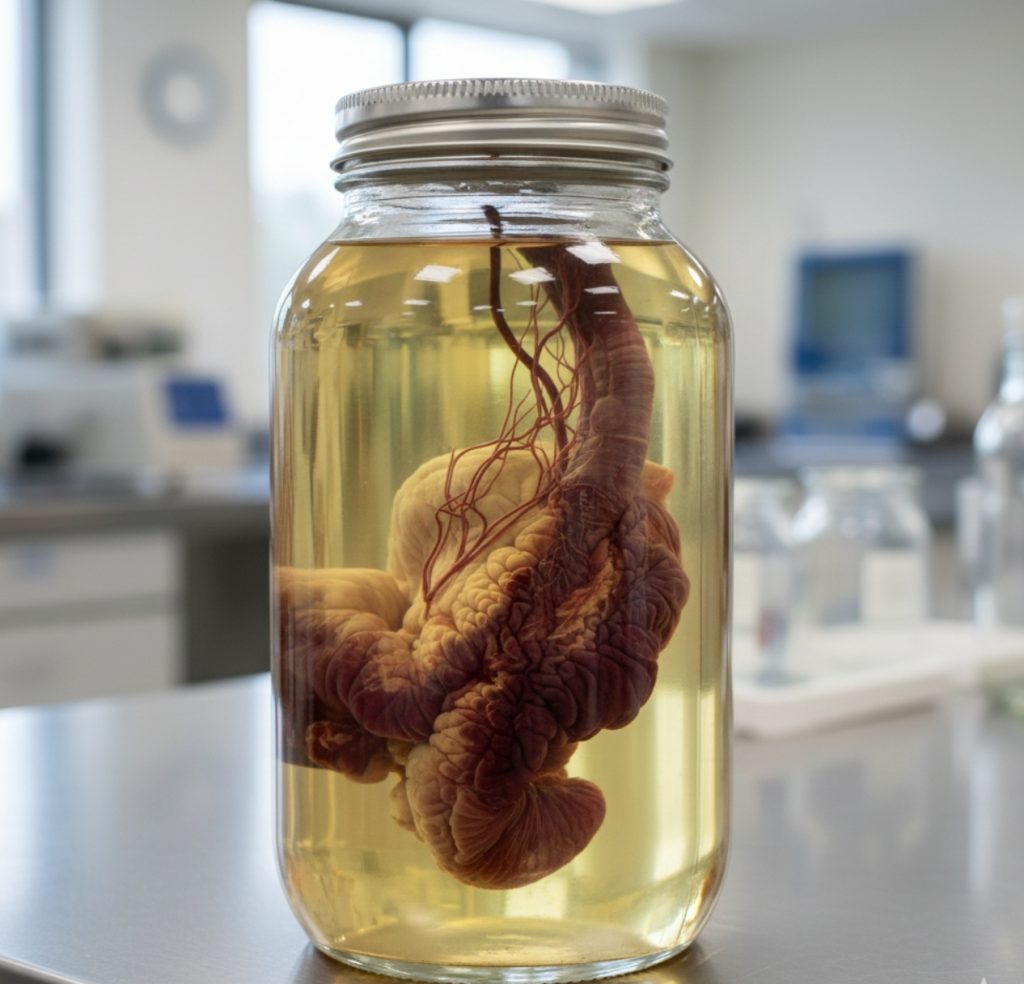
Why it is good: The jar is transparent and the fluid is not murky but mostly clear. It can be there covered up air tight for years and nothing happens. It just sits there in the centre of a table or on the shelves of a tv console. Wherever you want it to be, the sole purpose is that it takes you back in memories to that day in the labor room. It is an art.
Medical Reasons to NOT Keep Your Placenta
Infection concerns: This should be one of your reasons to not keep your placenta. If you as a mom has fever or chorioamnionitis, pathology must examine it. Hence it is best if you leave it to the hospital so they send it to the pathology department.
Pathology testing: If you had a still birth or complications, then, placenta can help reveal the cause of the stillbirth or complications. Yield to the hospital request.
Sometimes keeping it isn’t safe, and nurses become the ‘bad guys’ explaining why
How to Actually Take Your Placenta Home
Before the delivery, discuss this with your provider that you would want to take your placenta home. Bring a container/cooler. During the delivery, remind the staff again. After delivery, ensure proper labeling including name, date, time etc.. During transport keep on ice and know state/provincial regulations (some do require permits)
READ ALSO:
Home Methods To Prevent Pregnancy Naturally (4 DIY Ways My OIC Taught Me)

Here, I bridge the gap between hospital protocols and your real-life questions, sharing true stories and evidence-based insights from:
· Direct patient care in teaching hospitals
· Current nursing textbooks and guidelines
· Mentorship from registered midwives and nurses
My goal is to give you the calm, clear information I wish every patient had access to.
Note: I'm documenting my journey to becoming an RN. Always consult a healthcare provider for personal medical advice.
- I Tried The Xiaomi Mi 11 Ultra Camera For My First Ever YouTube Video - April 4, 2026
- Brown Discharge And 6 Weeks Pregnant: What My OB Professor Said (That Calmed My Patient’s Panic) - January 21, 2026
- Does Walking Help Labor Start? (The 1 Reason Nurses Ask You To Walk During Early Labor) - January 11, 2026